3 Oct 2025
/
WEEE Compliance
Smart Ways to Handle Old PV Panels
Growing awareness
Across the solar industry, conversations about what to do with your PV panels at the end of their life are finally gaining momentum. It is becoming the second largest concern of the public at consultations around new installations, after aesthetics, the issue of end-of-life panels is a real concern. Trade events, supplier forums, and compliance workshops are increasingly spotlighting this crucial topic. And yet, a significant portion of the sector is still unaware that solar panel recycling is not only possible – it’s available.
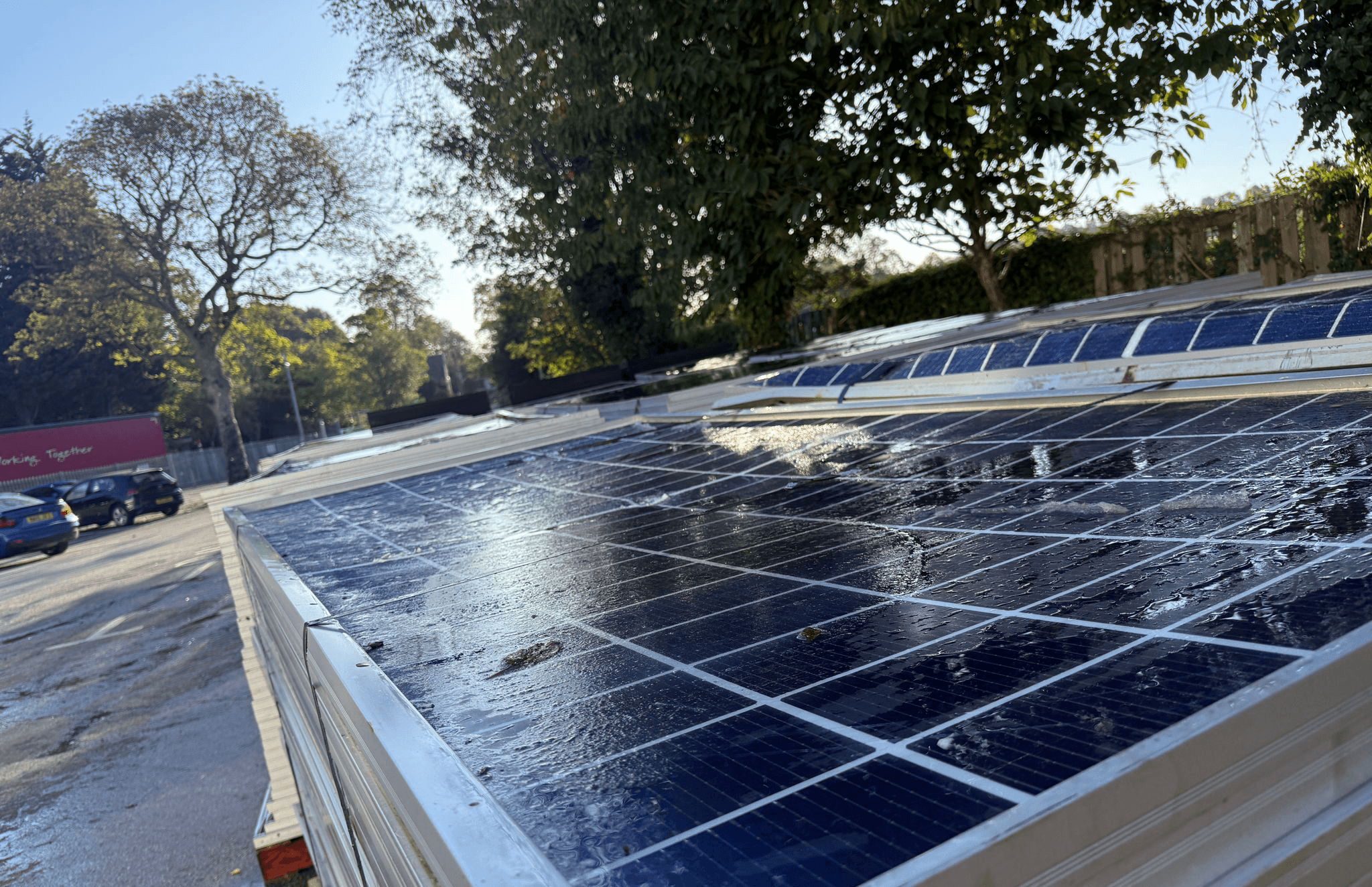
Installers frequently mention pallets of broken or decommissioned panels gathering dust in warehouses, with no clear recycling route. It’s not just inefficient; it presents both regulatory and environmental risks. Without a visible or scalable solution for reuse or recycling, panels are simply stockpiled, which is an uncomfortable and growing problem.
Encouragingly, there’s real progress. The ROSI and Waste Experts partnership is demonstrating that a compliant, UK-based recycling solution for PV panels is not only viable but scalable. It offers a timely and much-needed answer to one of the sector’s most persistent issues.
Battery storage: the parallel conversation
While PV panels tend to dominate rooftop systems, battery storage is fast emerging as their essential partner, especially in conversations around energy autonomy and futureproofing. At major industry events like Solar & Storage Live, batteries now command equal attention to panels, and for good reason.
In domestic settings, home batteries enable households to store daytime solar and use it in the evening, significantly increasing self-consumption. But interestingly, they’re also being installed without solar panels, acting as a first step into renewable energy. By charging from the grid during off-peak hours, households can still reduce bills and emissions while preparing for a solar install later.
In commercial environments, batteries are used alongside PV to balance energy use, manage grid demands, and cut peak-time costs. This growing synergy, generation plus smart storage, is shaping the next phase of sustainable energy.
Why reuse remains complicated
It’s tempting to view reuse as the best outcome for ageing or broken solar panels. But the barriers are substantial. Panels that are 10–20 years old may still function, but they often fall short of today’s efficiency, compliance, or warranty standards. Testing requirements for safe reuse are stringent, and secondary markets for used panels remain underdeveloped. In the UK, the only secondary use for solar panels is in community projects, regulations require commercial applications to use new panels only.
This is precisely where recycling becomes essential. Unlike reuse, recycling doesn’t hinge on electrical output or product certification. It focuses instead on recovering valuable materials like aluminium, glass, silicon, silver, and copper. By recycling, these finite resources can be fed back into the supply chain, supporting the circular economy and reducing reliance on virgin materials.
Education: the sector’s missing link
Perhaps the most significant obstacle to better PV waste management isn’t cost or infrastructure, it’s simply awareness. Many contractors, homeowners, and even developers don’t realise that regulated solar recycling channels are now in place. Instead, there’s a lingering assumption that broken panels are unrecoverable waste.
That’s why education is key. Installers must learn to incorporate responsible recycling into their quotes and system design. Consumers need to ask what happens when their panels reach the end of their life. Suppliers must include end-of-life options in their product lifecycle planning. Waste Experts are at the forefront of this. With a 25-year trading history, we can support end-of-life whenever that may be and can work with new installations on a decommissioning project that is ready to go when needed.
With better awareness and stronger engagement, "broken solar" can shift from a growing waste burden to a genuine opportunity within a circular economy model.